
In Praise of Dining Rooms
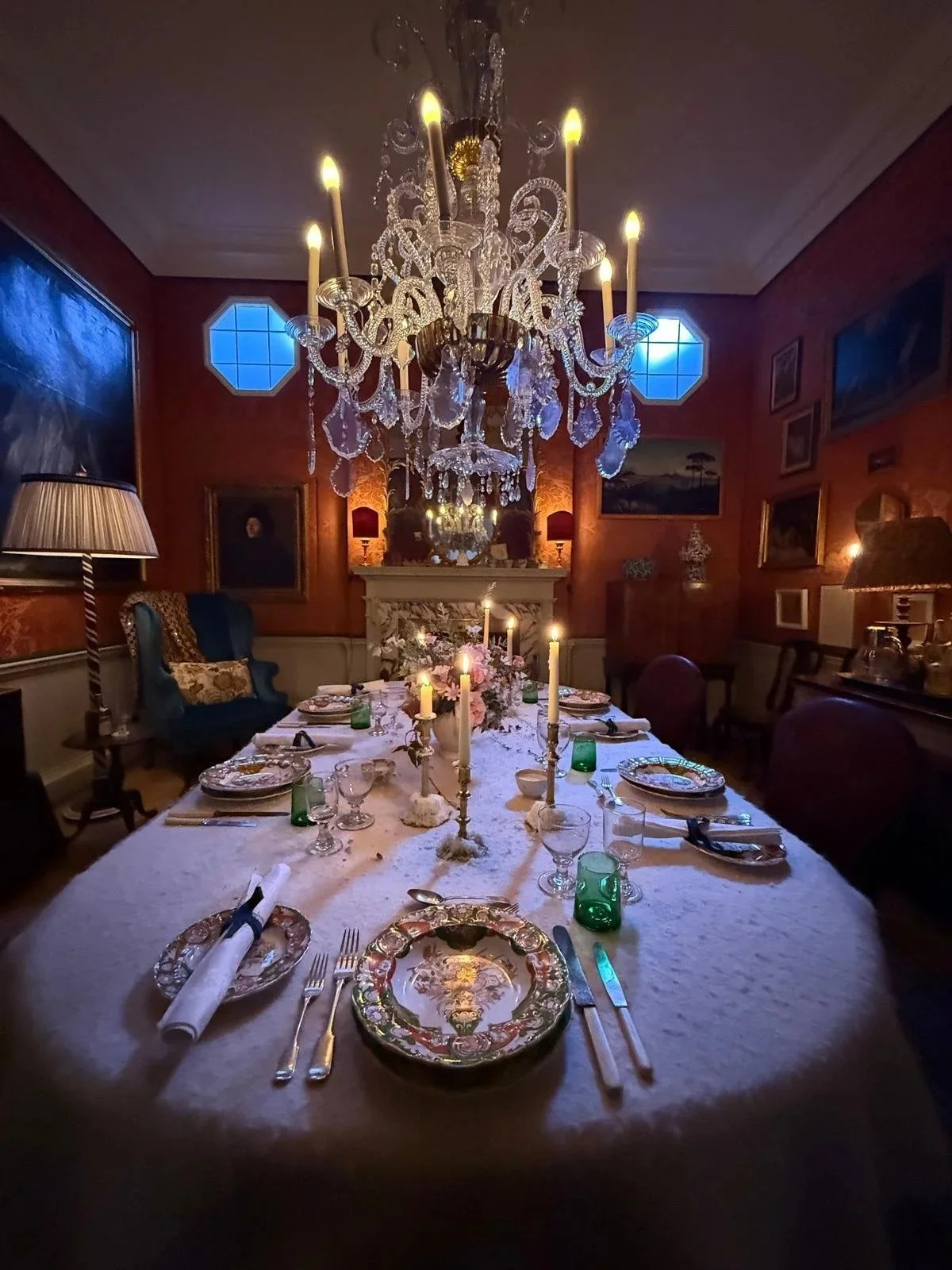
The Max Rollitt Dining Room at WOW!house 2026
There is a particular kind of apology we hear rather often. "We never use it," a client will say, gesturing towards a room with a table in it and not much else, save for the post and an abandoned jigsaw. Open-plan living has had its way with the dining room for the best part of two decades now, absorbing it into the kitchen, or turning it into a "flexible space" with a nice desk in the corner. We're told the dining room is a relic — a stage set for a kind of formal family life nobody has time for any more.
A visit to this year’s WOW!house at the Chelsea Design Centre where Max Rollitt’s beautiful dining room was our absolute highlight has left us in no doubt whatsover - the dining room is back with a bang and here’s why you should have one.
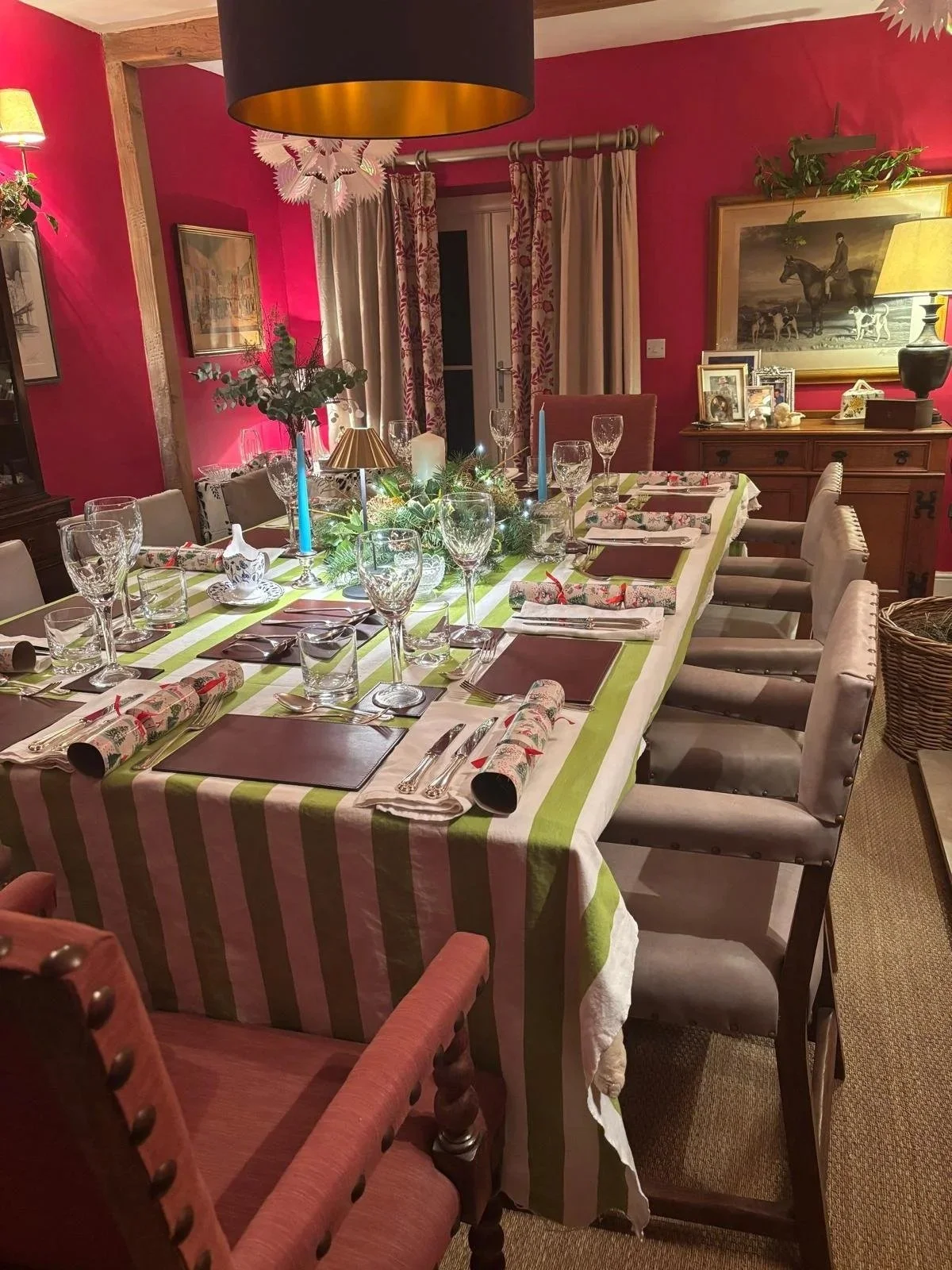
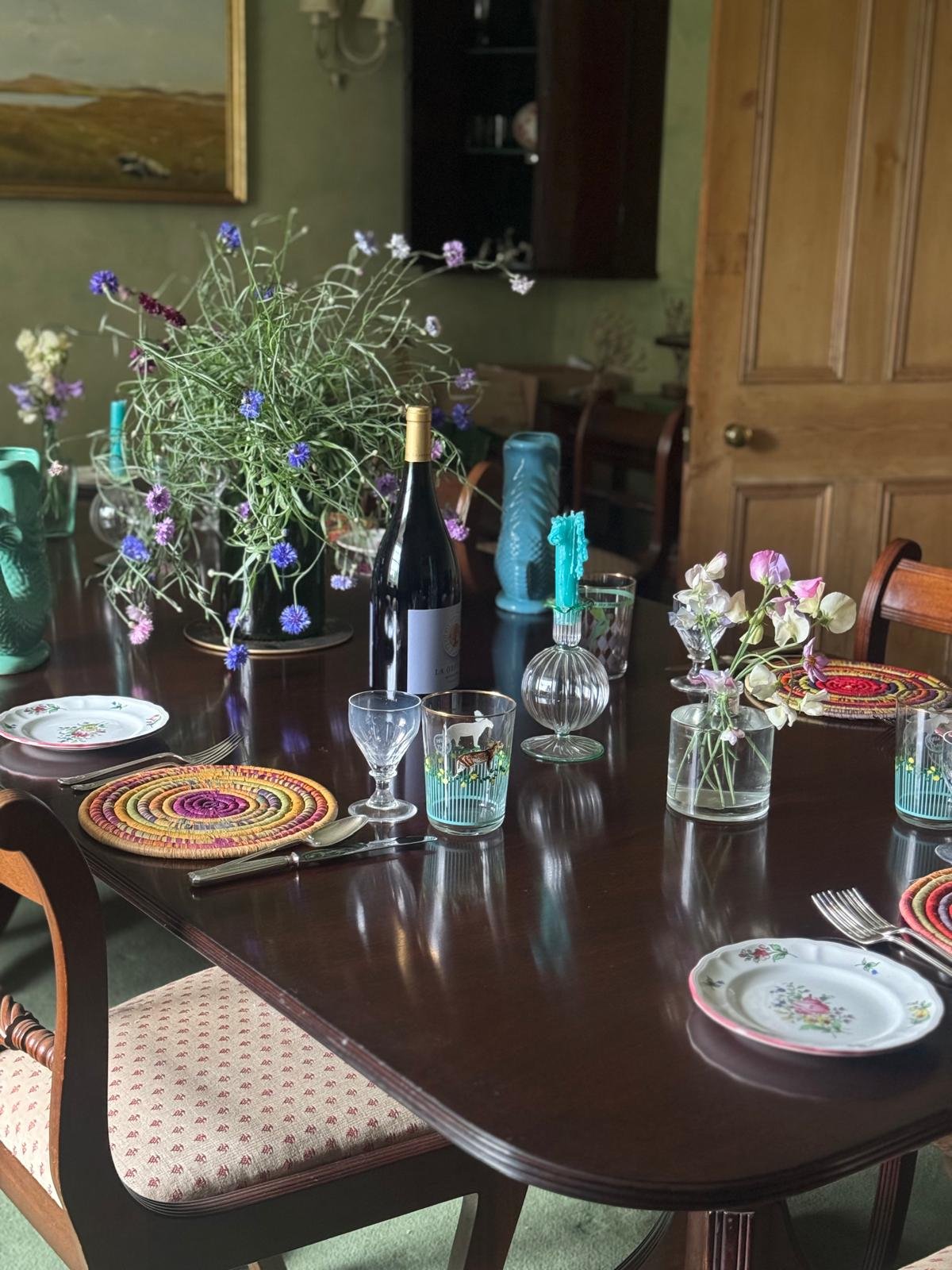
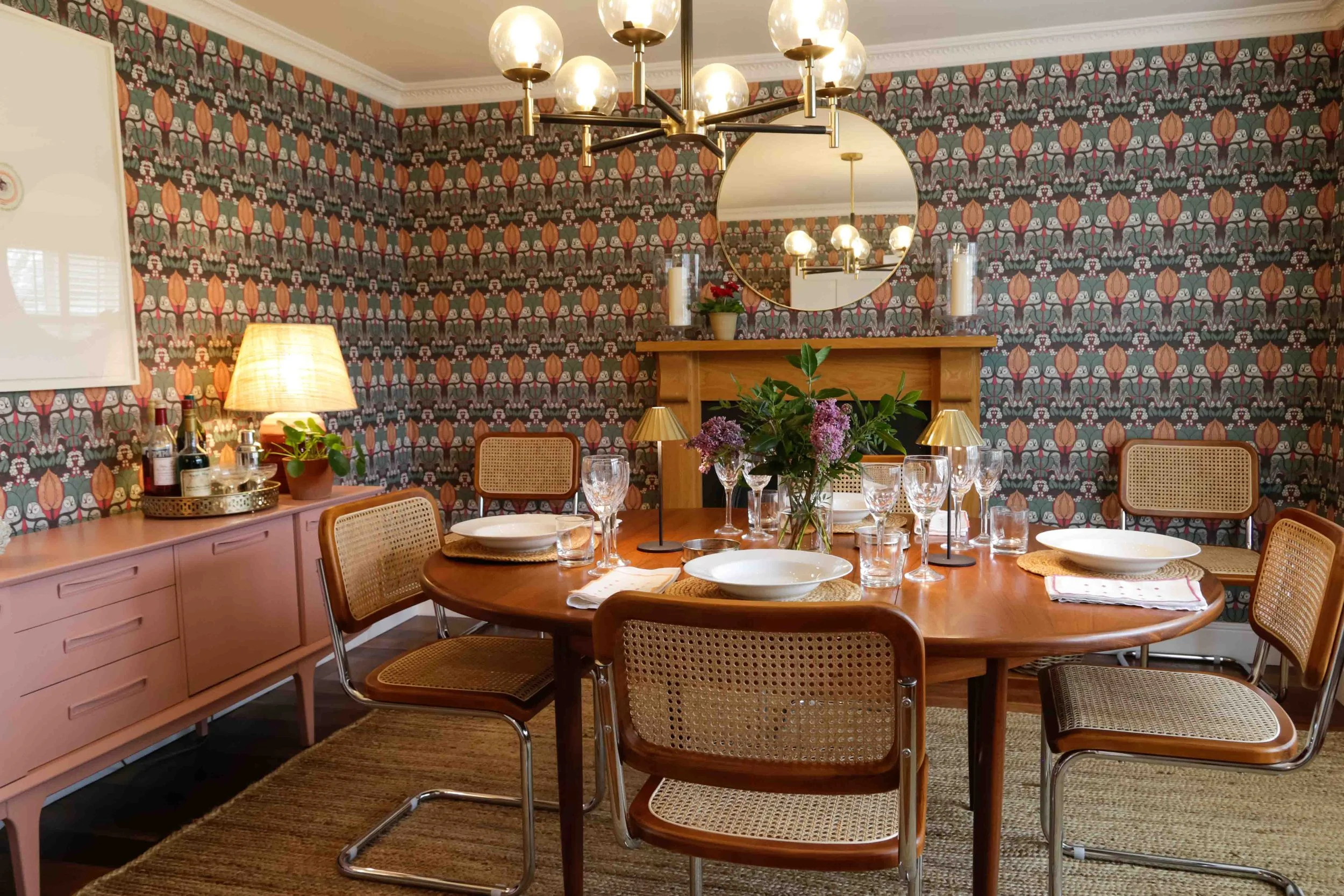
A ROOM WITH ONE JOB
Most rooms are asked to multitask, and rather a lot at that. The sitting room streams the television, hosts friends for a drink, and stores the children's abandoned Lego. The kitchen is a workshop dressed up as somewhere to gather. But the dining room, done properly, has one job only: it holds people around a table and asks them to stay a while.
That singularity of purpose isn't a failing. It's rather the whole point. A room built to do everything ends up doing all of it half-heartedly — supper is eaten on the sofa with the television as an uninvited third guest, and nobody's giving the evening their full attention. A room built to do one thing does that thing beautifully. The dining room says: put the phone down, we'll be here for the best part of an hour, nothing else is happening just now.
THE TABLE AS A SMALL PIECE OF ENGINEERING
We don't often think of furniture as a piece of technology, but a good dining table is a rather clever bit of design for holding people's attention. Its size decides how many can be part of one conversation rather than splintering off into two. Its shape decides who ends up speaking to whom. Its distance from the kitchen — far enough that nobody can simply wander off to check their phone charging on the worktop — creates a gentle, willing captivity.
Eating at a kitchen island is fast by nature; you can be up and gone the moment the plate's empty. Eating at a dining table is slow by design, because the table implies a beginning and an end, courses, pauses, that faintly old-fashioned ritual of everyone finishing before anyone gets up. This isn't fussiness for its own sake. It's one of the few remaining structures in daily life that insists we stay somewhere, with people, for rather longer than strict convenience would ever demand.
A ROOM THAT REMEMBERS
Dining rooms gather history in a way few other rooms manage. The scratch in the table from a long-ago school project. The odd chair that arrived from a grandmother's house and was never quite matched. The candle wax that never scrubbed off properly, and was, in the end, allowed to stay. Because the room isn't reinvented every few years — because its whole purpose is simply "the place we eat together" — it becomes a sort of quiet family archive: every birthday, every argument, every slow Sunday lunch that ever happened within its four walls.
Compare this with the kitchen island, wiped down and reset by morning, holding no memory whatsoever of last night's conversation. The dining room's stillness — its refusal to be anything other than itself — is precisely what allows it to hold on to things. It is, if you like, the room that ages well, gathering rather than losing character with every year and every mark left upon it.
IN DEFENCE OF THE UNDERUSED ROOM
Yes, plenty of dining rooms sit empty most evenings. We'd argue that isn't a mark against them — it's rather the whole point of them. Not every room in a house needs to earn its keep through constant use. A dining room used a handful of times a year, for the meals that genuinely matter, has done its job entirely. It sits there, uncluttered and ready, so that when the occasion arrives — Christmas, a lazy Sunday, an old friend up from London — there's a room prepared to receive it, undiluted by the ordinary business of a Tuesday.
We wouldn't ask a good coat to earn its keep by being worn to the shops every day. Some things are valuable precisely because they're kept for best.

WHAT’S LOST WITHOUT ONE
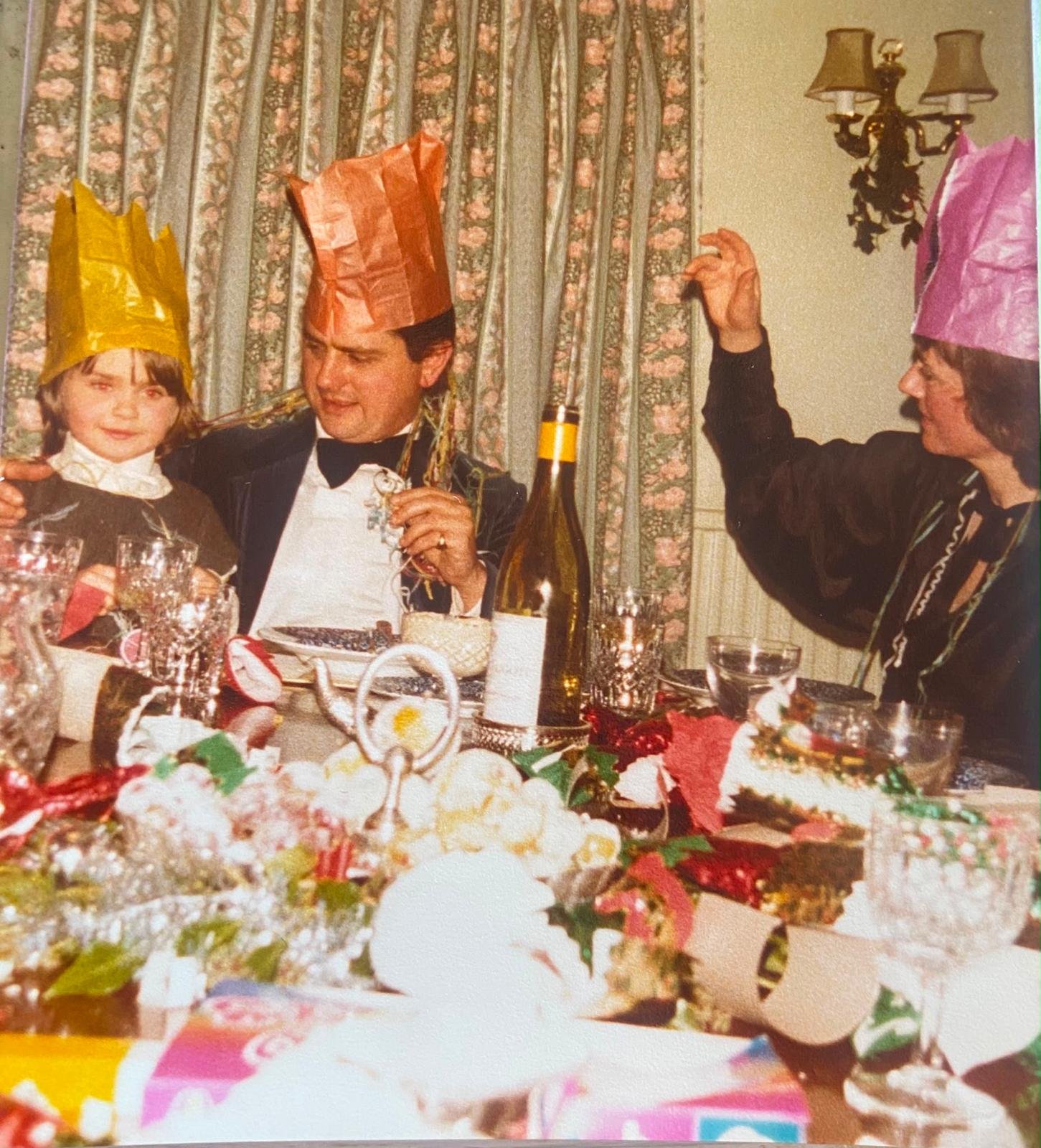
Without a dining room, meals drift towards wherever's easiest — the sofa, the car, standing at the counter — and something quietly disappears along with it: the shared understanding that eating together deserves a room of its own. With no table to sit at, there's no natural cue to put the phone away, no chairs arranged to face one another, no small ritual reminding everyone that this part of the day has been set aside for each other.
The dining room, unfashionable as it may currently be, is architecture's own quiet insistence that certain things — a meal, a proper conversation, an evening with people you're fond of — deserve a place built just for them. As Dorothy Draper might have put it, if it looks right, it is right — and there is nothing quite so right as a table laid for people you love.
So do lay the table. Light the candle you've been saving for no particular occasion. The room has been waiting rather patiently for you to remember what it's there for.